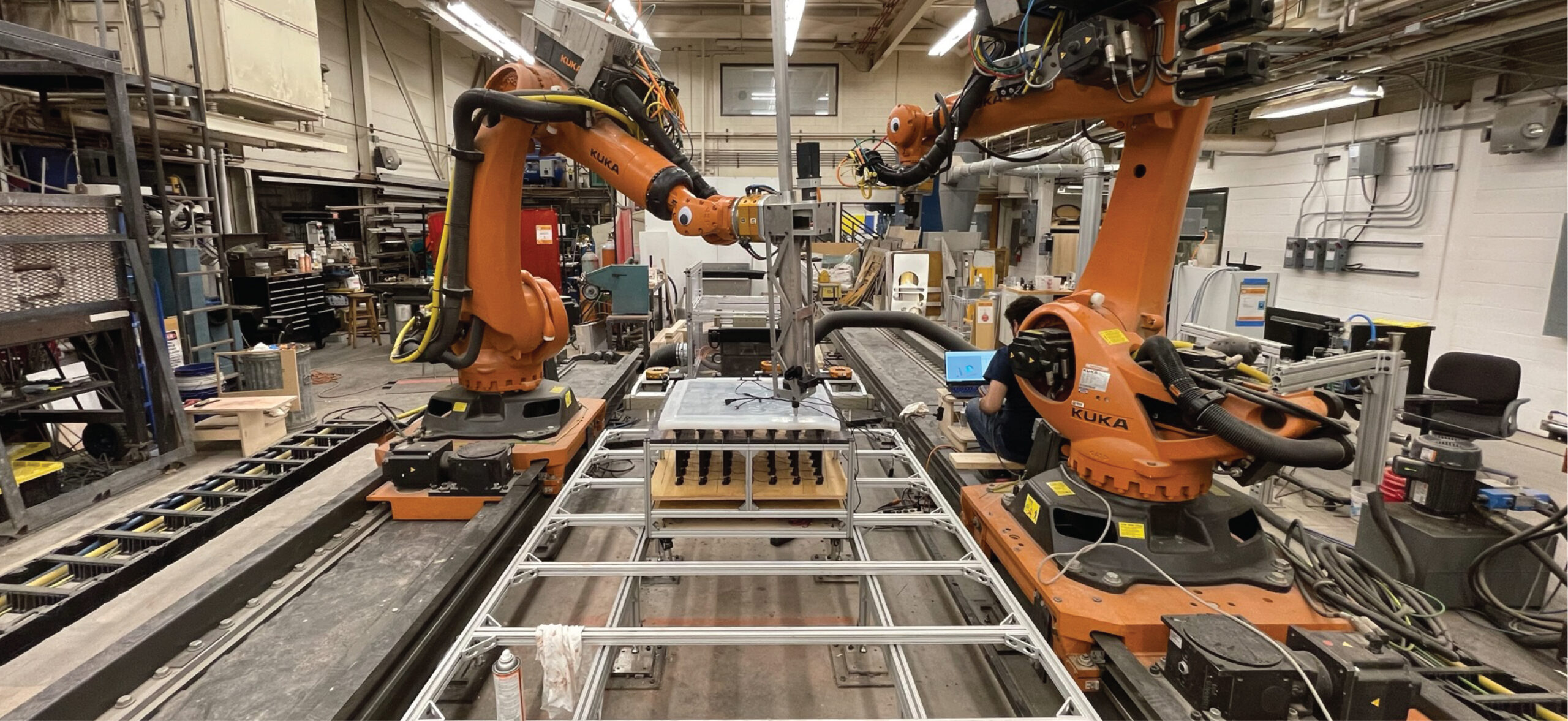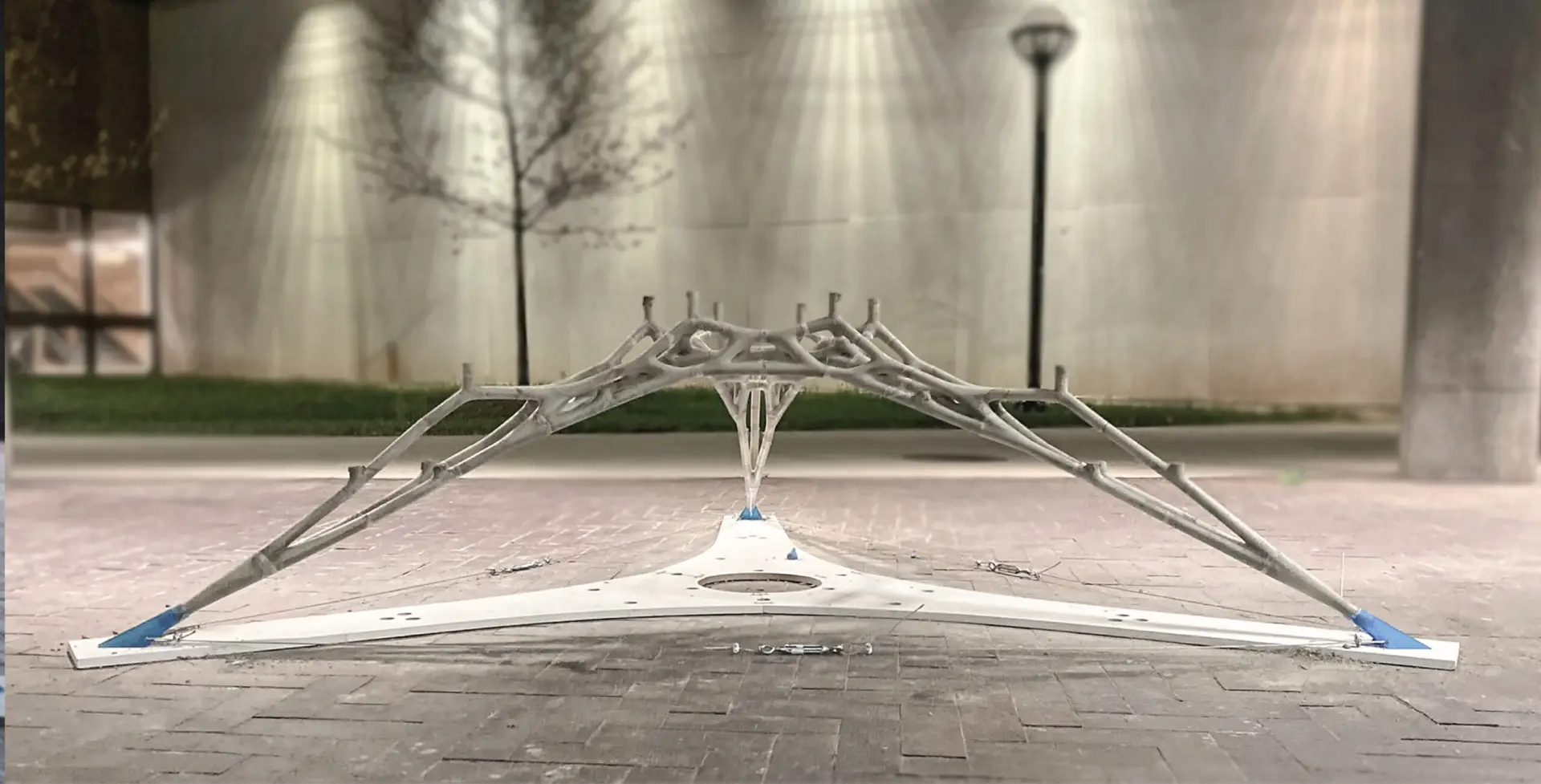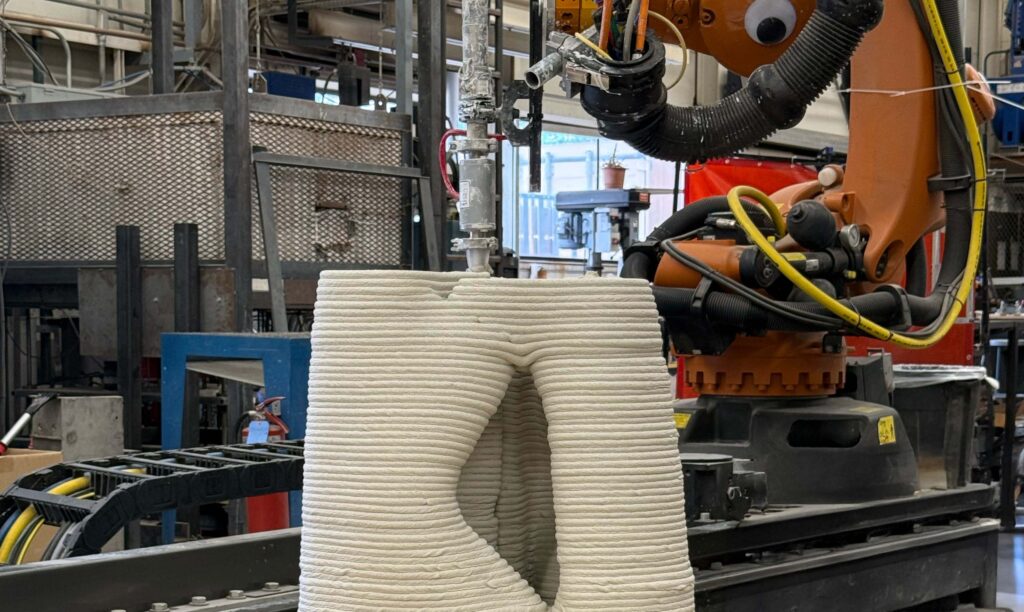
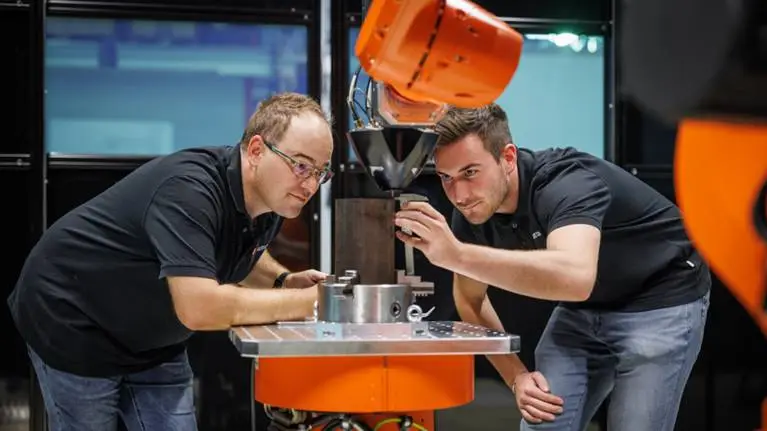
A center in Intelligent Adaptive Robotic Consctruction can function as an interdisciplinary learning environment that connects creative architectural design, digital manufacturing, material research, and process monitoring. The educational program should combine theoretical knowledge, practical training, experimentation, research-based learning and analytics.
This category focuses on developing students’ creativity and architectural thinking through digital design and 3D modeling.
Main topics:
- Computational and parametric design
- 3D modeling and digital fabrication
- Generative design and design
optimization,
- Sustainable and innovative architectural concepts
- Designing complex geometries and functional prototypes
Educational outcomes:
Students learn how to transform creative ideas into accurate digital models suitable for fabrication.
This category introduces students to the technical processes involved in producing physical objects through 3D printing.
Main topics:
- FDM, SLA, SLS, concrete, ceramic, and robotic 3D printing
- Printer operation and calibration
- Selection and testing of materials
- Slicing, toolpath generation, and print preparation
- Structural performance and construction-scale printing
- Post-processing, assembly, and finishing techniques
Educational outcomes:
Students understand how digital designs are converted into physical products and how manufacturing parameters affect quality and performance.
This category develops students’ practical skills in operating and supervising a safe, efficient, and controlled 3D-printing laboratory.
Main topics:
- Laboratory safety procedures
- Equipment maintenance and troubleshooting
- Print-process monitoring and quality control
- Sensors, cameras, and real-time data collection
- Error detection and corrective strategies
- Workflow management and documentation
- Health, environmental, and material-handling practices
Educational outcomes:
Students gain the ability to operate laboratory equipment responsibly, identify manufacturing problems, and improve printing reliability.
This category connects academic learning with research development, professional practice, and emerging applications of 3D printing.
Main topics:
- Research methods in digital fabrication
- Experimental design and data analysis
- Development of new materials and printing techniques
- Sustainable construction and circular manufacturing
- Prototyping and performance testing
- Collaboration with industry and architectural practices
- Research publications, exhibitions, and innovation projects
Educational outcomes:
Students develop independent research skills and apply 3D-printing technologies to real architectural, manufacturing, and construction challenges.
This category teaches students how to collect, organize, and analyze data generated during the design, manufacturing, and monitoring of 3D-printing processes.
Main topics:
Data collection from printers, sensors, and cameras
Organization of manufacturing data
Basic statistics and data comparison
Analysis of printing time and material consumption
Evaluation of print quality and dimensional accuracy
Identification of printing defects and failures
Data visualization using charts and graphs
Monitoring of temperature, speed, and material flow
Optimization of printing parameters
Performance evaluation of materials and prototypes
Use of data to reduce waste and production costs
Preparation of technical reports and research conclusions
Educational outcomes:
Students learn how to use analytical data to evaluate performance, identify problems, improve printing processes, and support evidence-based design and manufacturing decisions.